
Post-Concussion Vision Rehab at Our Buckhead Clinic: What Neuro-Optometric Therapy Involves

Post-Concussion Vision Rehab at Our Buckhead Clinic: What Neuro-Optometric Therapy Involves

Post-Concussion Vision Rehab at Our Buckhead Clinic: What Neuro-Optometric Therapy Involves

Post-Concussion Vision Rehab at Our Buckhead Clinic: What Neuro-Optometric Therapy Involves

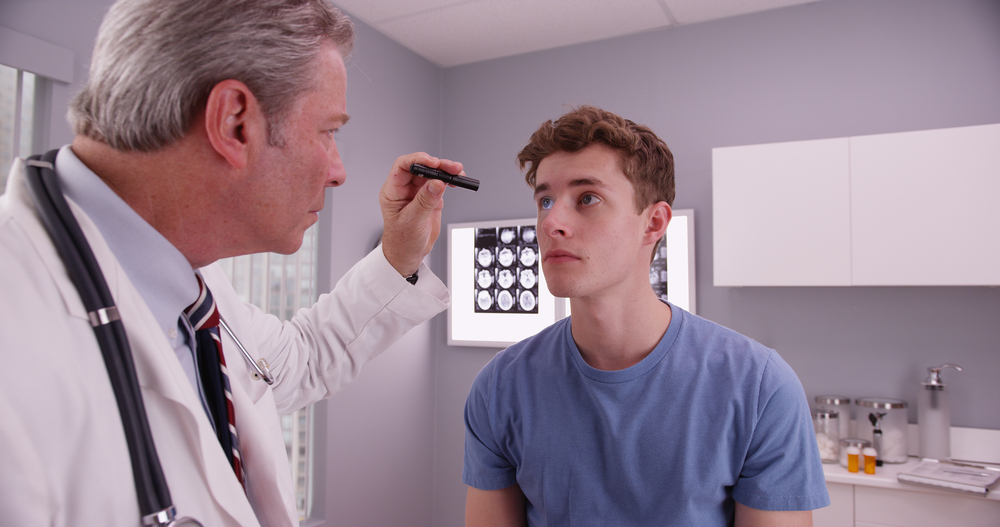
A concussion can affect more than memory, balance, or concentration. Because vision depends on constant communication between the eyes and brain, a head injury can also interfere with how visual information is processed. At Family Eye Care Center of Atlanta, we provide neuro-optometric care in Buckhead to help identify and address visual difficulties that may develop after a concussion.
How a Concussion Can Affect Vision
Even when eyesight remains clear on a standard eye chart, patients may notice new visual symptoms after a concussion. Everyday activities such as reading, driving, working on a computer, or walking through a busy environment may suddenly require more effort.
Post-concussion vision problems can include:
• Blurred or double vision
• Headaches during reading or screen use
• Difficulty focusing from near to far
• Eyestrain or visual fatigue
• Dizziness or motion sensitivity
• Trouble tracking words while reading
• Sensitivity to visually busy environments
These symptoms may be related to changes in eye teaming, focusing, tracking, visual processing, or the coordination between vision and other sensory systems.
What Is Neuro-Optometric Therapy?
Neuro-optometry focuses on the relationship between the visual system and the brain. Following a concussion or other neurological injury, that connection may not operate as efficiently as it did before.
Our approach to post-concussion vision rehab begins with evaluating how the eyes function together and how the brain processes visual information. Rather than focusing only on whether a patient can see 20/20, we look at functional vision skills that affect comfort and performance throughout the day.
What Does Post-Concussion Vision Rehab Involve?
When testing identifies visual difficulties, we can develop an individualized neuro-optometric therapy program based on the patient's specific needs. Vision therapy uses structured activities designed to improve communication between the eyes and brain through neuroplasticity.
Therapy may work on skills such as eye tracking, focusing, eye teaming, visual processing, and coordination between vision and movement. Sessions are typically performed in our office, and patients may also receive activities to practice at home. The frequency and length of therapy vary because concussion symptoms and visual challenges are different for every patient.
Why a Specialized Vision Evaluation Matters
A routine vision screening may not identify every functional vision problem associated with a concussion. Someone can have clear eyesight while still struggling with headaches, reading, focusing, dizziness, or visual fatigue. A neuro-optometric evaluation allows us to examine these concerns more closely and determine whether vision rehabilitation may be appropriate. When needed, vision care can also be coordinated with other healthcare professionals involved in a patient's recovery.
If you are experiencing ongoing visual symptoms following a concussion, schedule an evaluation with Family Eye Care Center of Atlanta to learn more about post-concussion vision rehab and neuro-optometric therapy at our Buckhead clinic. Visit our office in Atlanta, GA, or call (404) 905-1400 to book an appointment.

All Eye
Care Services

Keep
In Touch
Get In Touch
For non-urgent questions, use the form below.
Contact Info
Clinic Hours
Monday: 8:30 AM - 1:00 PM
Tuesday & Thursday: 8:30 AM - 4:30 PM (Closed During 1 PM - 2PM)
Wednesday: 9:00 AM - 6:00 PM (Closed During 1 PM - 2PM)
Friday - Sunday: Closed
© 2026 Family Eye Care Center of Atlanta. All Rights Reserved Privacy Policy. Sitemap. Accessibility Statement.
Powered by:



